MCPs allow AI to Perform Editorial Actions Directly in the CMS
See how a Model Context Protocol (MCP) can significantly simplify the daily life of content editors using artificial intelligence.
Written by Vegard Ottervig on
We have long been in a phase marked by experimentation and "fun" AI results, but now it is time to create real business value.
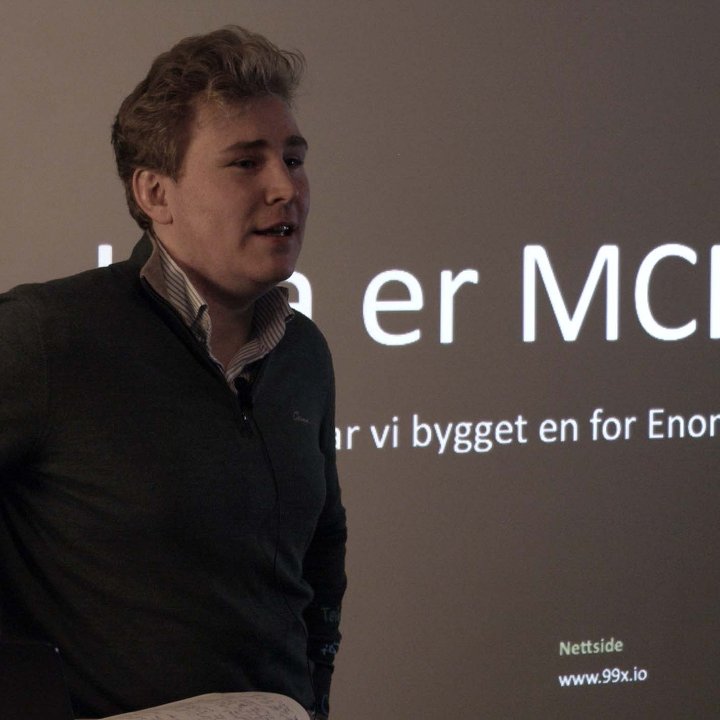
Johan Martin Emberland Johnsen, technical project manager at 99x, believes that the Model Context Protocol (MCP) is the key to making AI from an isolated text generator to an integrated and actionable tool.
As part of the advisory environment at 99x, Johnsen works daily to deliver solutions on platforms such as Enonic. He makes no secret of the fact that today there is a flood of abbreviations and technical terms that can seem exhausting, but he believes MCP is a protocol we actually need to care about.
What Exactly Is MCP?
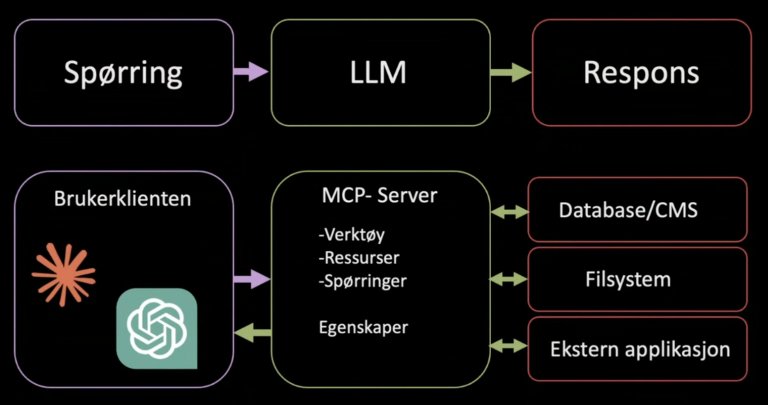
Model Context Protocol (MCP) is basically a standardization of how AI tools talk to each other. Although standardization and protocols are rarely described as exciting, they are absolutely necessary to create predictability.
Johnsen compares the transition to MCP with the Internet's entry for computers. Before the world wide web, a PC had value as an isolated unit, but it was only when it was connected to other machines that the real revolution happened.
MCP does the same for AI; it moves us from isolated agents to an interconnected system where AI can perform actions towards concrete goals.
The Restaurant Analogy
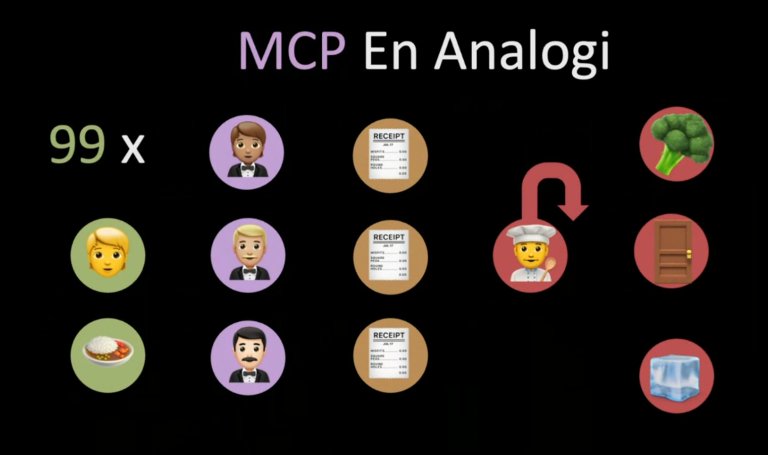
To explain the technical architecture behind MCP, Johnsen uses a gastronomic analogy: A restaurant. In this environment, there are several roles that must work together for the guest to be satisfied.
- The guest (The end user): This is, for example, a content editor in Enonic who has a need or a desire to have a task performed. The guest does not need to know exactly what is happening in the kitchen, as long as the result is as expected.
- The waiter (The user client): Tools like Claude Desktop or ChatGPT act as waiters. They take the order from the guest, have an overview of the menu and pass the information on.
- The chef (The language model): The large language models (LLM) are the chefs. They are responsible for the heavy work, creativity and orchestration. But a chef without a recipe can quickly deliver something completely different from what the guest ordered.
- The menu (The MCP server): This is where the magic lies. The MCP server functions as a menu that tells both the guest and the chef exactly what can be ordered and what ingredients (data) are available. It sets the framework and the rules of the game, so you don't end up with sushi at a hamburger restaurant.
From Talk to Action in Enonic
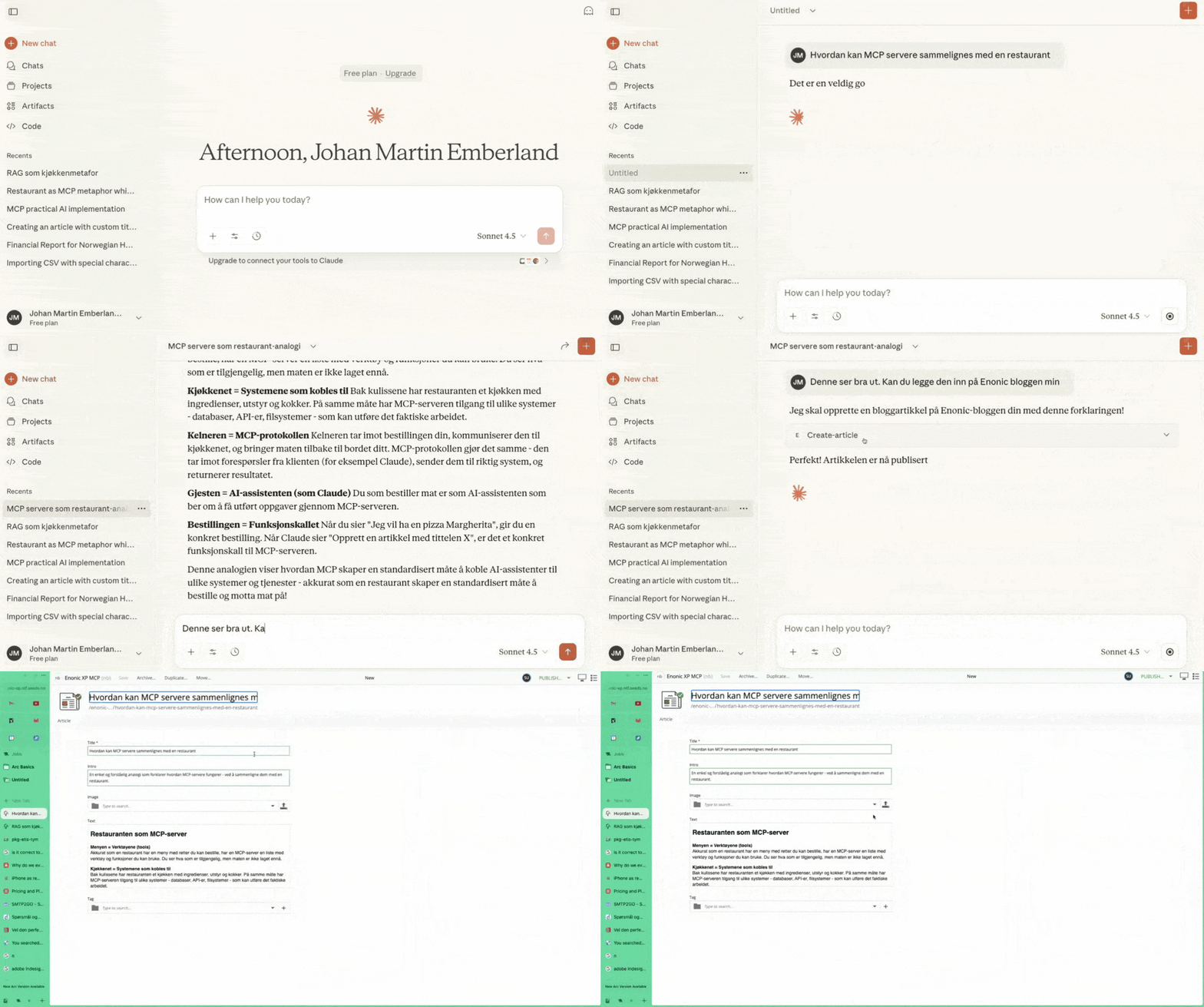
To demonstrate MCP in practice, 99x has developed its own MCP server for Enonic. Through an interface like Claude Desktop, an editor can now communicate directly with their Enonic base.
In a demo, Johnsen shows how he can ask the AI to write an article, and then give a simple command to put it directly on the Enonic blog. The system is transparent; you can see exactly which tools are running, for example "Create Article".
This doesn't stop at publishing. Johnsen demonstrates how you can ask the AI to check if there are duplicates in the archive, delete outdated articles or suggest and create new tags.
All without the editor needing to leave the AI client or navigate manually in complicated menu structures.
The Way Forward: What Should Be on the Menu?
The potential for MCP in Enonic is enormous, and Johnsen highlights several potential uses that can simplify everyday life for large organizations:
- A digital "cleaning assistant": An MCP server that automatically identifies content that has not been updated for a long time, or finds articles that are owned by people who no longer work in the company.
- Trend monitoring: By connecting Enonic to external MCP servers that monitor social media, the AI can suggest content themes based on what is trending right now.
- Intelligent support: A server that provides tailored guidance to local editors based on the organization's own guidelines and training videos.
The point of MCP is that it requires a conscious effort with development and strategy. You have to think through which functions are actually useful for the team and implement them.
Once the job is done, you are left with a tool that not only generates text, but actually understands the context and performs tasks that create real value.